Industrial staffing, minus the sunrise scramble.
Warehouse, assembly, forklift operators, pickers, plant supervisors. A Zoho system that confirms tonight’s shifts by text, spots the no-show minutes after the shift starts, and has the standby dispatched before the client calls.
Why industrial staffing is unlike any other desk.
Industrial staffing sells one thing above everything: showing up. The shift is the product, and it gets graded in the first fifteen minutes of the morning, not at a quarterly review. Fill rate says who you booked; show rate says who walked through the gate, and the gap between those two numbers is the whole client relationship. A desk that runs on spreadsheets is always reacting at sunrise. The system’s job is to finish that work the night before. We have run high-volume desks ourselves and felt that sunrise scramble, which is why so much of this page happens the evening before.
The order lands late in the day.
Thirty pickers, first shift tomorrow.
Matched by shift, forklift cert, site approval and transportation. In most agencies that lives in a spreadsheet and somebody’s memory. In your agency, the night shift is already working.
The hours you lose without a system.
The show-rate gap shorts the warehouse dozens of workers a week.
A 100% fill rate can still leave the line four workers short, because fill rate and show rate are different numbers. The gap between an 85% and a 95% show rate is dozens of missing workers a week, and every one of them is billed to your reputation.
THE 85%→95% SHOW-RATE GAP = DOZENS OF MISSING WORKERS PER WEEK · SPECTRA360
Turnover makes you pay to fill every seat 4 to 5 times a year.
Light industrial runs 70-100%+ annual turnover and the average industrial temp cycles out in about 10 weeks. Every refill costs sourcing hours, onboarding hours and a slow first week on the line.
33% OF NEW HIRES GONE WITHIN 30 DAYS · DOHERTY, INDUSTRY SOURCES
The late-afternoon order eats your coordinators’ whole evening.
Thirty pickers for the next morning, matched by shift, forklift cert, site approval and transportation, currently living in a spreadsheet and somebody’s memory. Fourteen hours from order to start, and most of them are phone calls.
FOURTEEN HOURS FROM ORDER TO START, EVERY WEEK
Attendance blindness bills you in credit memos and apologies.
Without live check-in visibility in the first minutes of the shift, replacements go out after the damage, not before. The client becomes your attendance system, and the client remembers who told them first.
NO LIVE BOARD = THE CLIENT IS YOUR ATTENDANCE SYSTEM
One uncertified forklift operator is a liability event with your name on it.
OSHA powered-industrial-truck certs expire every 3 years, and tracking them across 400 temps on paper is how they get missed. The cost of one miss is measured in lawyers, not hours.
PIT CERTS EXPIRE EVERY 3 YEARS · OSHA
Every timecard error costs you twice.
Shift differentials, OT rules, attendance bonuses: small error rates become payroll adjustments on one side and client credit memos on the other. And the client’s weekly scorecard of fill %, show % and turnover decides who keeps the site.
ONE ERROR = A PAYROLL ADJUSTMENT + A CREDIT MEMO
The same week, on the system we build.
Same sites, same orders, with the wiring in place. The board staffs the thirty-picker order the same evening it lands, the app catches the missed clock-in minutes after the horn, and the packet onboards at volume. Whatever isn’t pictured here gets its answer, line by line, in the table below.
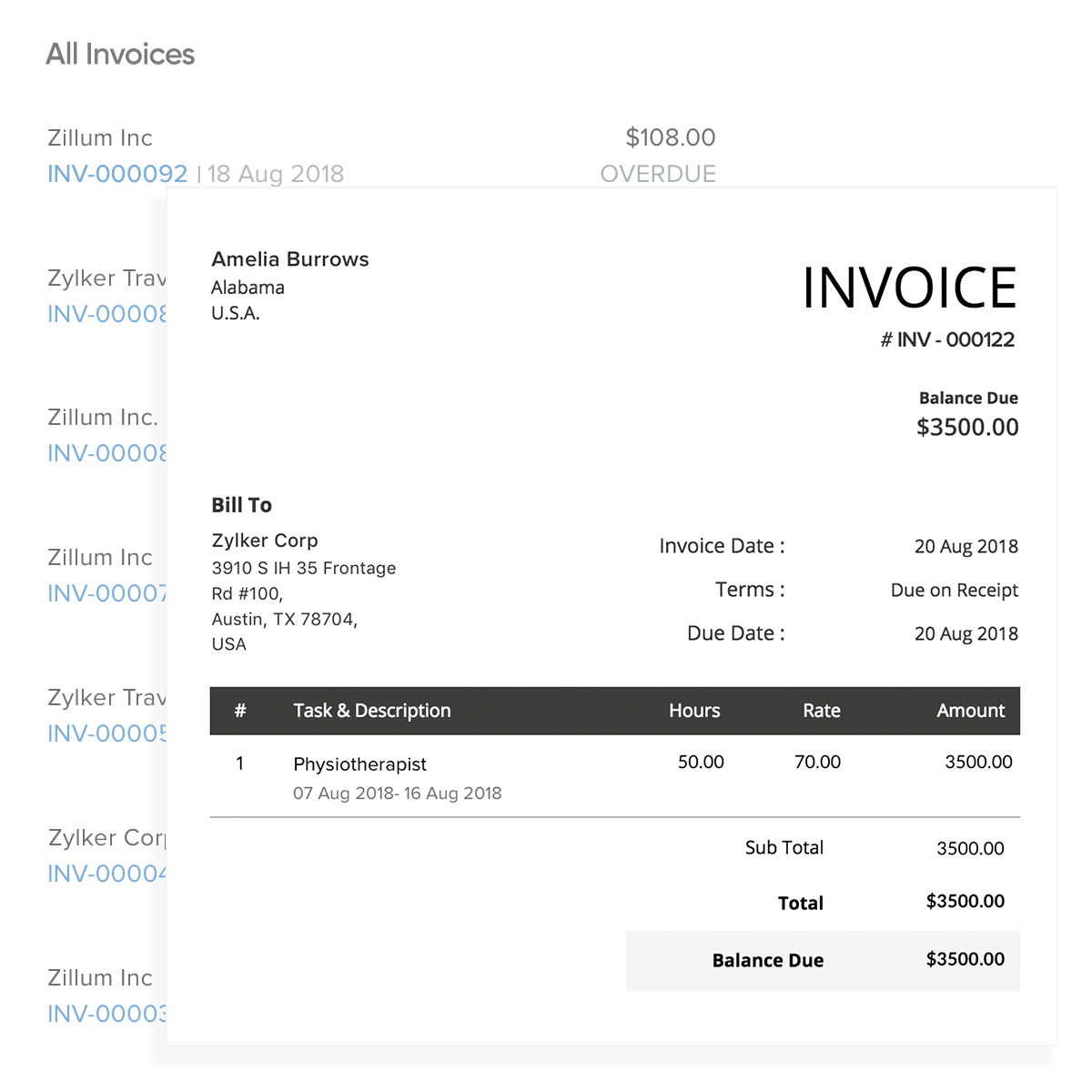
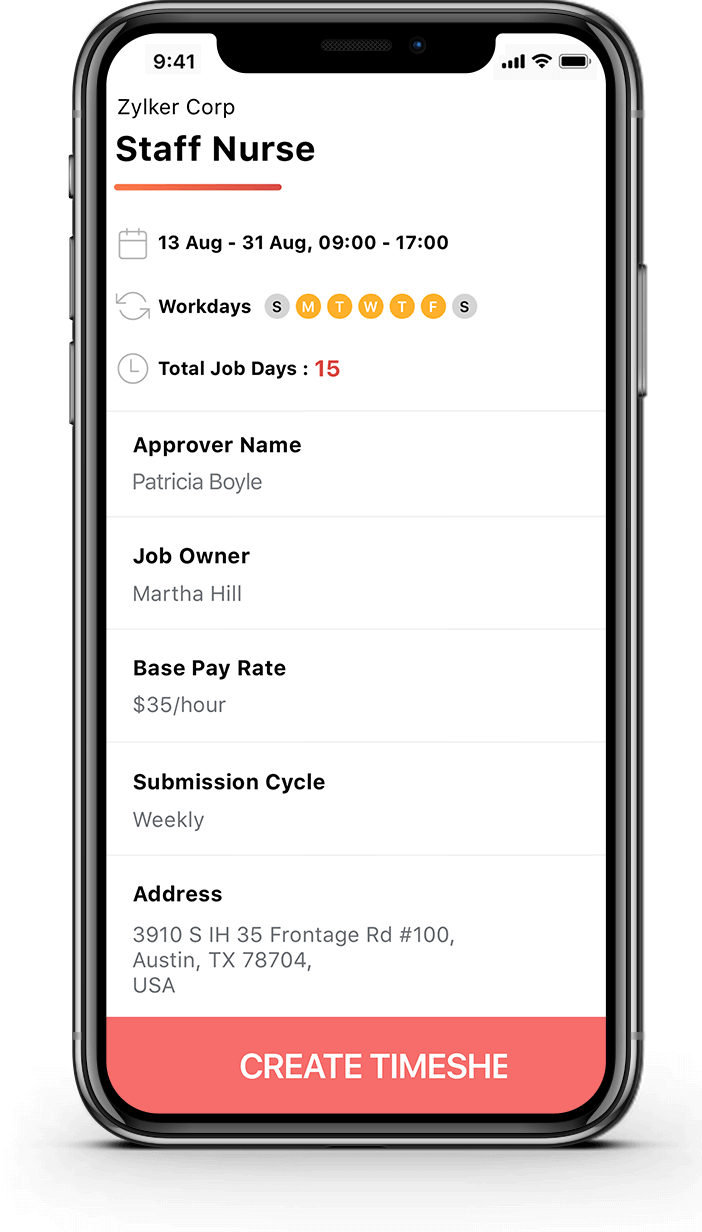
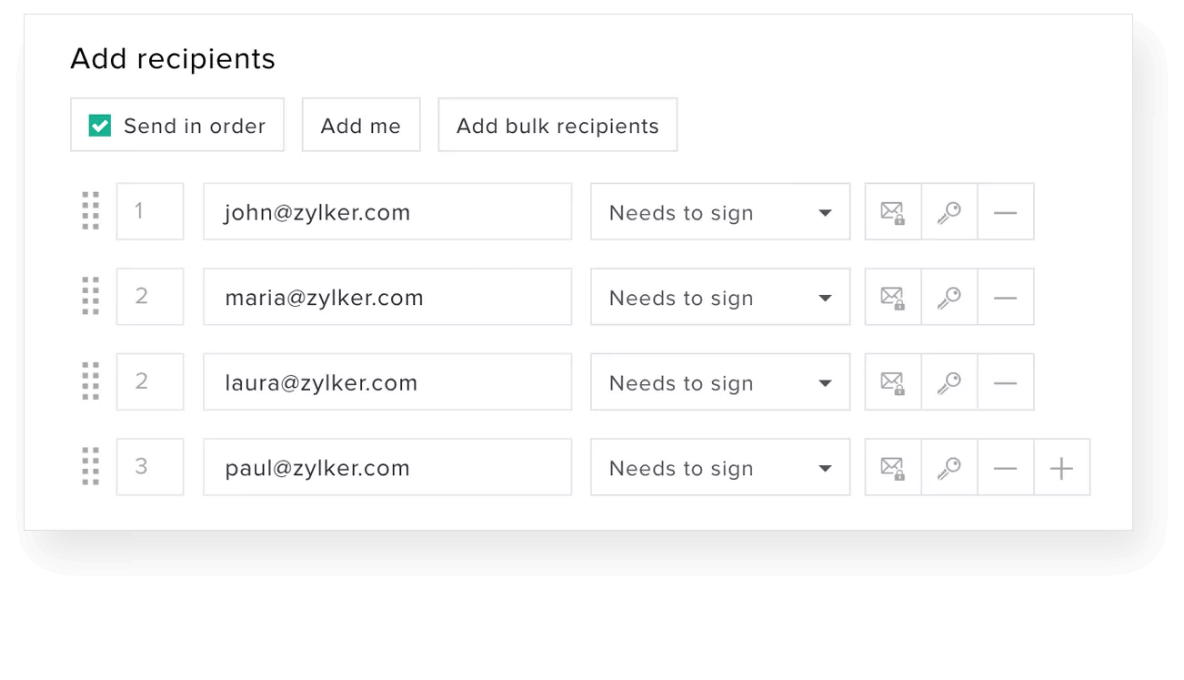
The pain, and the wiring that removes it.
| The pain | The Zoho fix |
|---|---|
| No-shows | Workerly shift confirmations + Flow SMS reminders the night before and the morning of; unconfirmed workers auto-escalate and standbys pre-stage |
| Daily order fill | Workerly job/shift creation + pooled availability + Zia matching on cert, site approval and shift; client portal for direct order entry |
| Attendance blindness | Workerly mobile clock-in with geofence; live “who’s on site” board in Analytics; alert at 15 minutes missing |
| Churn treadmill | Flow-driven day-1/7/30 check-ins, Zia attrition-risk scoring, automatic redeployment offers the day an assignment ends |
| Cert tracking | Recruit/Creator cert module (forklift, safety orientation) with expiry workflows; Workerly physically blocks scheduling uncertified workers |
| Pay/bill errors | Workerly e-timesheets → rules-based rate cards (OT, differentials, bonuses) → Books invoicing; exception dashboard for missed punches |
| Client scorecards | Analytics dashboards per client (fill %, show %, retention) shareable as live client-facing views, so you both look at the same number |
| Safety exposure | Creator safety app: orientations, incident reports, PPE logs feeding your comp-claims file before renewal season |
The dispatcher who works the night before.
No-Show Responder
Detects missed geofenced clock-ins minutes after shift start and dispatches pre-staged standbys before the client notices. The sunrise scramble becomes a log entry.
Cert-Block Scheduler
Makes it impossible to book a worker with an expired forklift cert onto a forklift shift. Not a warning. A block.
Peak-Ramp Forecaster
Reads each client’s order history and flags headcount gaps two weeks ahead of holiday-peak and harvest surges, so you are recruiting for peak before peak.

Four scenes, told by the site board.
The 30-picker order lands late. It is staffed by nightfall.
The order arrives by client portal or email. Workerly matches by shift, forklift cert, site approval and availability; offers go out by SMS, first-accepts auto-book, and standbys pre-stage for the confirmed-but-risky. The constraint becomes your pool depth, not your process.
Tomorrow gets confirmed, worker by worker.
Shift Confirmer texts all 84 workers scheduled across three sites. Seventy-one confirm by mid-evening; thirteen unconfirmed trigger the standby list and nine standbys book overnight. Nobody at your office is awake for any of it.
Three no-shows are caught, replaced and logged inside forty minutes.
Missed geofence clock-ins at Site B trigger the escalation seven minutes in: replacements dispatched, recruiter alerted, client board updated. The client finds out from the board, not from an empty line. And one forklift booking is blocked on an expired PIT cert before it becomes a liability event.
Timecards become invoices, no re-keying. The scorecard defends the site.
Hundreds of weekly timecards flow through rules-based rate cards, with differentials, OT and attendance bonuses applied by rule and exceptions caught before payroll, not after the credit memo. The client-facing Analytics scorecard shows fill %, show % and retention on the same numbers you see.
Measured per site, per shift, live.
Fill rate vs show rate: tracked separately, per site, per shift; the gap is the metric (Spectra360)
Same-day fill %: orders filled within hours, with time-to-fill on a stopwatch
30-day retention: beat the 33%-gone-in-30-days industry norm (Doherty) and the client scorecard follows
Timecard error rate: every error costs twice, a payroll adjustment plus a client credit memo; exceptions caught before payroll
Average temp tenure: the industry treadmill; day-1/7/30 check-ins and attrition scoring stretch it
Annual turnover: every seat refilled 4 to 5 times a year; redeployment offers the day an assignment ends slow the churn
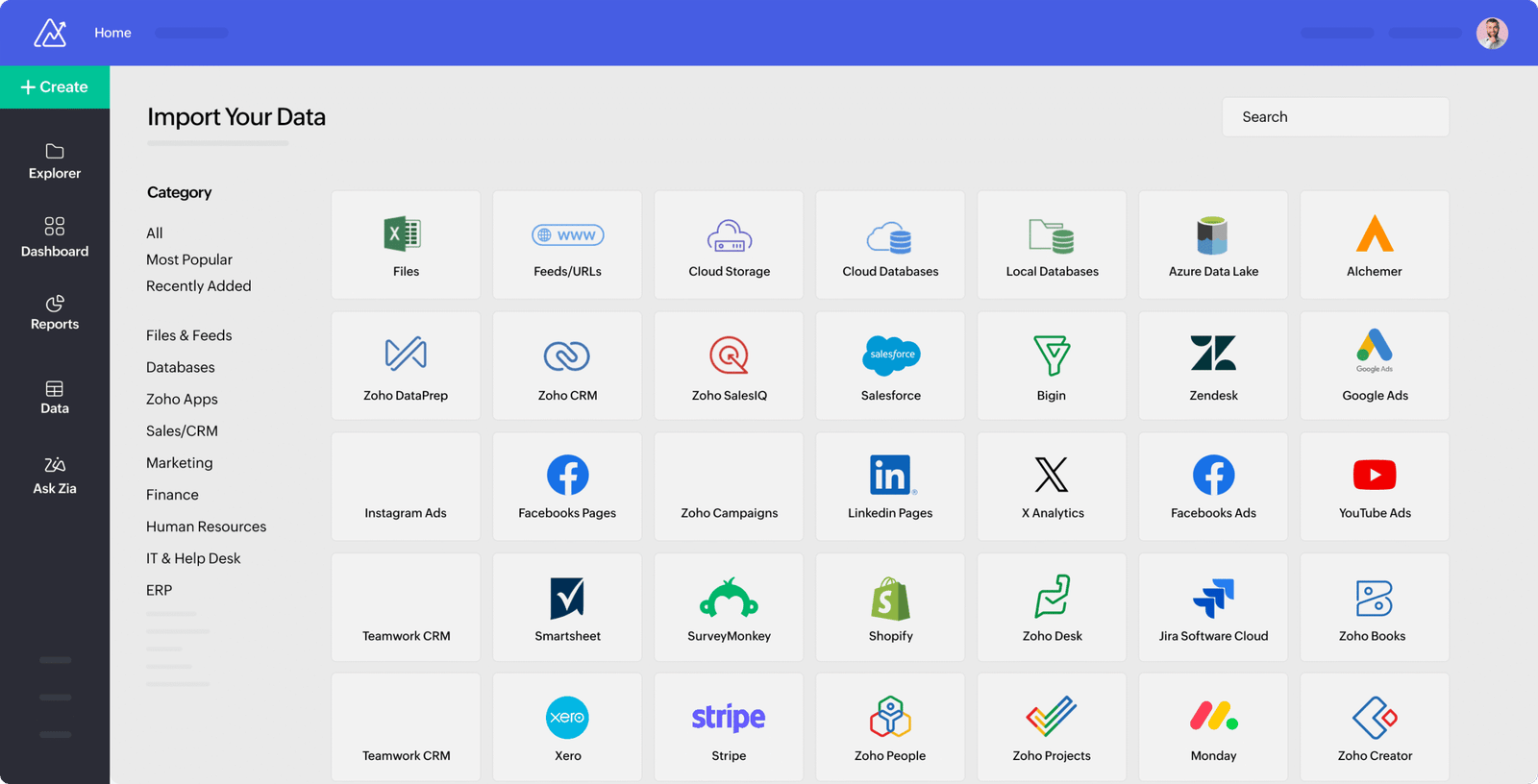
Eight Zoho apps, one worker pool.
Zoho Workerly
The heart of a shift operation: job orders, shift allocation, availability pools, geofenced clock-in, e-timesheets with client approval, rate rules, invoicing, payroll export. Priced per temp, with unlimited recruiters and jobs.
Zoho Recruit · Staffing edition
The intake engine: high-volume applicant pipelines, resume parsing, client and site records, cert module, Blueprint gates before first dispatch.
Zoho Flow
The wiring: confirmation SMS cadences, no-show escalations, day-1/7/30 retention check-ins, WOTC screening handoffs.
Zoho Creator
The safety app (orientations, toolbox talks, incident reports, PPE logs) plus client-specific rate-card rules that feed pay/bill.
Zoho Analytics
The scorecard machine: fill vs show rate per site, 30-day retention, timecard exceptions, weekly margin per site, shared live with clients who grade you weekly.
Zoho Books / Invoice
Timesheets become accurate invoices with differentials and OT applied by rule, not by memory. DSO lives on one dashboard.
Zoho Sign + Forms
Day-of-start onboarding packets, I-9 workflows, site-specific safety acknowledgments. Executed at volume, filed automatically.
Zoho Campaigns
Warm-pool re-engagement before seasonal ramps. The cheapest worker to place is one you already know.
…and the rest of Zoho One
SalesIQ chat for client order intake, Desk for worker support, Vault, WorkDrive. 45+ apps on the same login, already paid for.
The math, worked in the open.
A 15-person light-industrial agency: 9 recruiters and coordinators, 6 ops, running ~400 temps across client sites.
A Bullhorn-class stack
Competitor figures are market-reported ranges; those platforms are quote-only and discount at volume.
The same agency on Zoho
About $1.55 per temp per month for the entire shift engine, and the middle office is the $621.50 Workerly line, with unlimited recruiters and jobs. At 400 temps you are near Workerly’s 500+ break, where per-temp pricing drops to ~$0.75-1.00, so growth makes the math better, not worse. Current list prices, sourced from zoho.com, annual billing; Recruit Staffing edition and Workerly are licensed separately from Zoho One, which is why they are separate lines.
Buy the rung you need. Climb when ready.
Launch
A solid, fast toolset your coordinators learn in a week. No heavy automation yet.
- Clean Recruit intake pipelines
- Cert tracker with expiry alerts
- Client and site records
- Workerly basics for scheduling and timesheets
Accelerate
Everything in Launch plus the machinery that runs the night before.
- Confirmation SMS cadences
- Geofenced clock-in with the live site board
- Rules-based pay/bill into Books
- Client scorecard dashboards + migration from spreadsheets or your legacy ATS
Autopilot
The AI-agent-enabled operating system, in production.
- No-Show Responder, Cert-Block Scheduler, Peak-Ramp Forecaster live
- Client order portals
- Attrition-risk scoring
- Per-site margin dashboard that shows which contracts actually make money
Straight answers, in writing.
Can this really take a 30-worker order in the afternoon and fill it for the next morning?
That is the workflow it is built around: the order lands (client portal or email), Workerly matches by shift, cert, site approval, and availability, offers go out by SMS, first-accepts auto-book, and standbys stage for the confirmed-but-risky. The constraint becomes your pool depth, not your process.
How does the no-show detection actually work?
Workers clock in on the Workerly mobile app with a geofence around the site. A missed clock-in at 7 to 15 minutes after shift start triggers the escalation: standby dispatch, recruiter alert, client board update. You act within minutes instead of hearing about it when the client calls.
We run 400+ temps. Does per-temp pricing get out of hand?
The opposite. Workerly is ~$1.50/temp/mo in the 26-500 band and drops to ~$0.75-1.00 past 500, with unlimited recruiters and jobs. At 400 temps the entire shift engine costs about $621/mo. We verify current USD pricing with Zoho before you commit.
Can it handle the Illinois Day & Temporary Labor Services Act and NJ Temp Worker Bill of Rights?
The system gives you the records those laws demand (assignment details, hours, rates per placement) and equal-pay provisions become rate-card rules rather than manual checks. We configure per-state compliance fields during the build; your employment counsel confirms the interpretation.
What about ACA hours tracking for variable-hour workers?
Workerly timesheet data feeds an Analytics view that tracks hours against ACA eligibility thresholds continuously, so measurement periods stop being a year-end spreadsheet panic.
The same system, seen from two other desks.
Operations & Compliance
Onboarding packets at volume, cert tracking and per-state compliance records are middle-office work. See the whole compliance desk on the same spine.
Finance & Back Office
Rules-based pay/bill, exception dashboards and invoice automation land in the finance seat. See the timecard-to-cash flow end to end.
See sunrise after the system’s night shift.
A Staffing Systems Review is a business conversation with people who have run recruiting businesses. We map your order-to-dispatch flow, your show-rate gap and your pay/bill process, and you leave with a gap map of your workflow either way.
Book a Staffing Systems Review