Payroll leaves your account weeks before
the client’s money arrives.
That gap is the defining motion of staffing finance: pay/bill. Approved timesheets become weekly temp payroll on one side and client invoices on the other, consolidated, per-PO, per-cost-center, then collections. Underneath it all sits the industry’s core cash-flow problem: workers get paid every week, clients pay on 45-day terms, and factoring that gap costs 2 to 4% of every invoice.
In a 1 to 5 person agency this isn’t a department. It’s the owner’s weekend hat, and usually the first function outsourced. Zoho One folds the whole back office into the same $37 login every other hat already uses.
Six fights the back office loses weekly.
The payroll-funding gap
Temps get paid at the end of every week. The client pays in 45 days. Someone has to fund that spread every single cycle, and factoring it costs 2 to 4% of every invoice, straight off your margin.
Billing day eats a day
Client invoices are consolidated, per-PO, per-cost-center. Assembled by hand from timesheet exports, markup applied in a spreadsheet, then re-keyed into the accounting system.
DSO creeps while nobody watches
The staffing benchmark is 40 to 50 days. But when AR aging lives in one system and client contacts in another, day 46 arrives unnoticed. And so does day 60.
Margin is a month-end mystery
Bill rates live in the ATS, pay rates in payroll, costs in accounting. Gross margin by placement type, temp, temp-to-hire, direct hire, is a spreadsheet reconstruction, weeks after the fact.
Commission disputes
Recruiters audit their own checks against a shared spreadsheet. Every month someone finds a split that’s wrong, and the argument costs more goodwill than the dollars.
The weekend hat
In a small agency the owner does all of the above on weekends. It’s the first function outsourced. Not because it’s hard, but because the tools make it miserable.
Billing stops being a day of the week.
That’s the flagship automation: timesheet to invoice to payment, no re-keying in between. You still approve the run; the system removes the drag. Here is the system that does the assembly. Not a diagram, the actual screens.
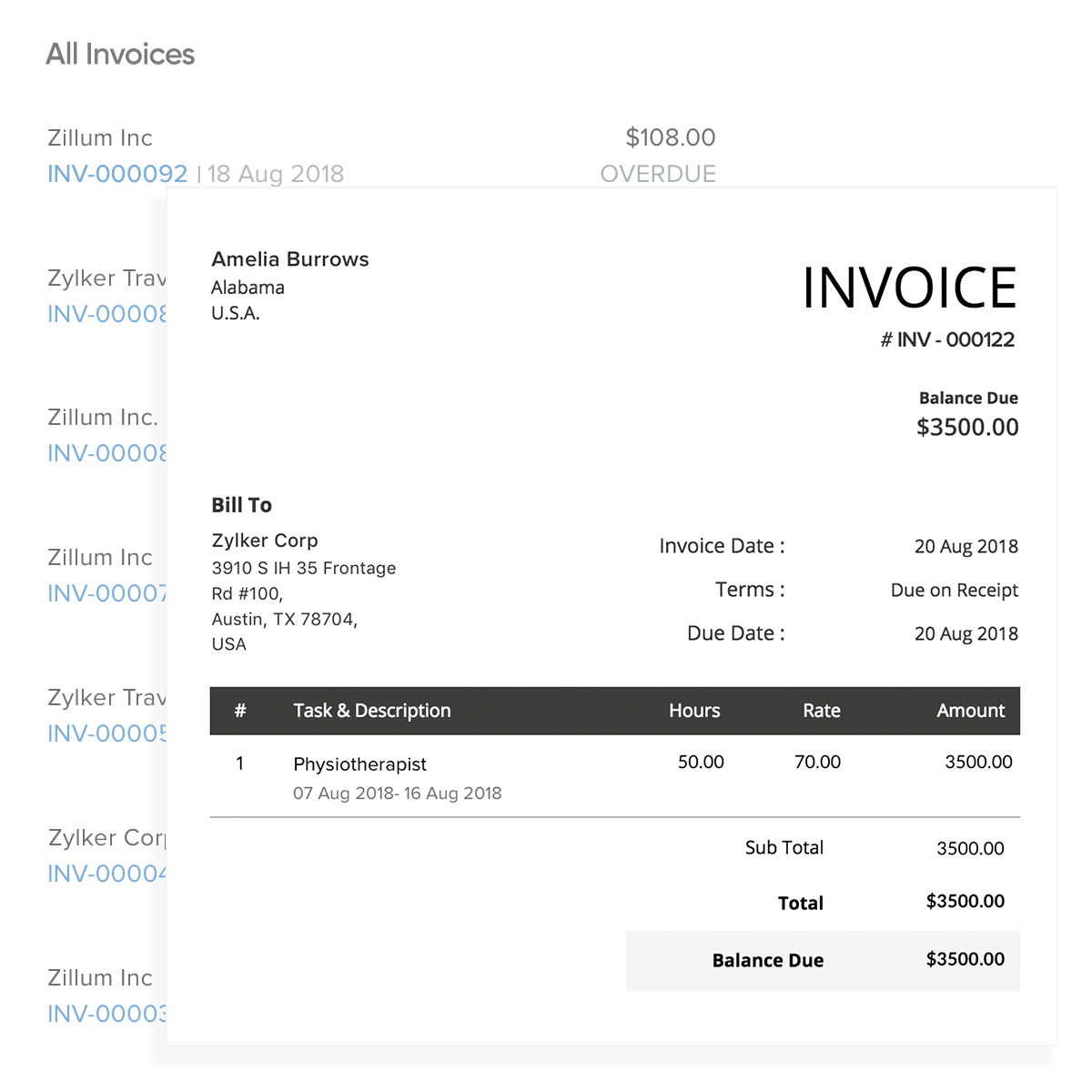
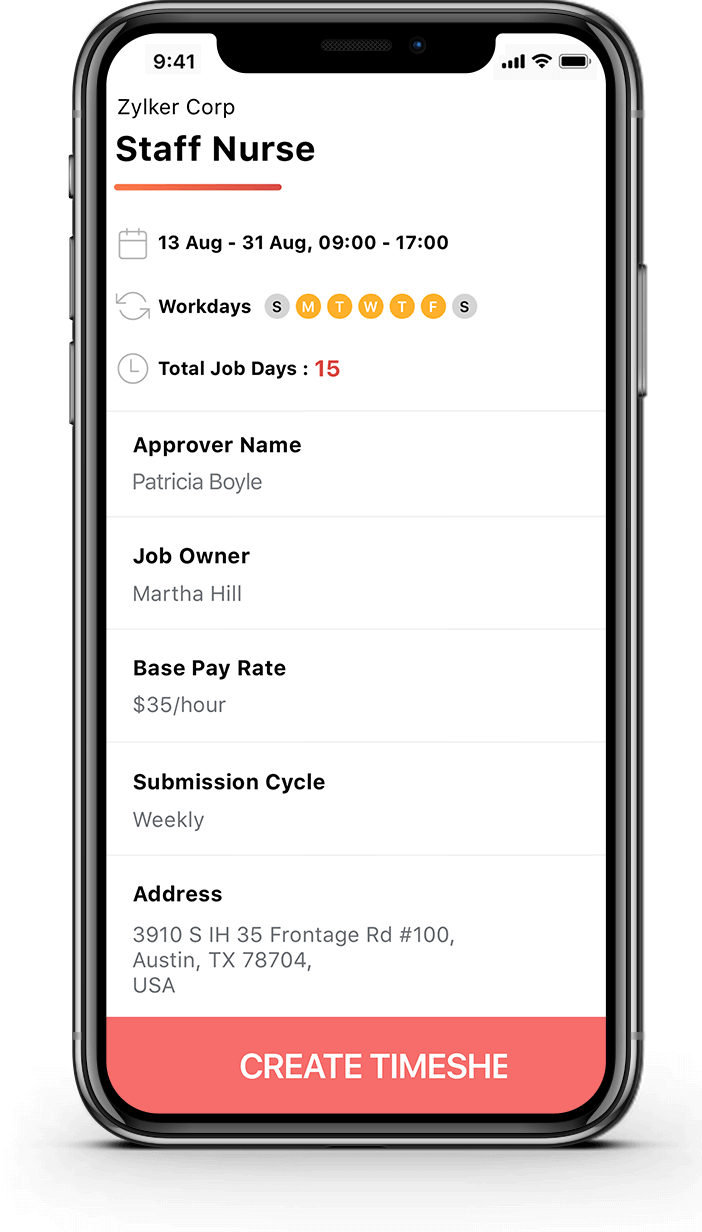
And three more engines run beside it.
Margin visible from day one
Bill and pay rates are captured at placement → margin per placement flows into Analytics continuously. No month-end spreadsheet reconstruction, ever.
The commission engine
Placements feed a Creator commission app → calculated statements export straight to payroll. Recruiters stop auditing their own checks.
The DSO watchdog
An account crosses your aging threshold → a collections task fires and a credit-hold flag appears on the CRM account, visible to Sales before they take the next order.

Seven bills that never met a timesheet.
Accounting, payroll, AP and expenses each bill separately, then staffing pay/bill software bills again on top. All prices est., current list.
The back office today
And that total lands before the pay/bill software quote and before the factoring line takes its percentage.
The same jobs, on Zoho
Payroll per-employee fees may apply. Workerly and Recruit Staffing edition are their own line items on top of Zoho One, shown separately in every quote. Annual pricing, USD list.
The apps this team lives in, and what each one does here.
The workflow comes first. These are the apps we wire around it. Not a feature list: the jobs each app does in a staffing back office, specifically.
Zoho Books
- Invoices raised straight from approved Workerly timesheets, markup applied
- Consolidated billing per PO and per cost center
- AR aging with auto-reminders at 7, 14 and 30 days
- Client payment portal with pay-online links and gateways
Zoho Workerly
- Client-approved e-timesheets, the single source of billable hours
- Bill and pay rates carried from the placement record
- Clean hours files exported to your payroll bureau
Zoho Payroll
- Internal staff payroll run from the same database as everything else
- Commission statements attached from the Creator engine
- PTO and new hires reflected automatically from People
Zoho Expense
- Recruiter mileage and client-visit receipts photographed to coded claims
- Policy checks before approval, not after reimbursement
- Billable expenses passed through to the client invoice
Zoho Creator
- The commission engine: splits, tiers and draws calculated per placement
- Statements recruiters can open themselves, disputes retired
- Exotic VMS-mandated invoice formats built to the client’s spec
Zoho Flow
- Timesheet approved to invoice drafted, no re-keying in between
- The DSO watchdog: collections task plus CRM credit-hold flag
- Margin capture at placement, flowing to Analytics continuously
- Bureau, bank and factoring connections through open APIs
Zoho Analytics
- Margin waterfall by service line, live, not month-end
- DSO trend against the 40 to 50 day staffing benchmark
- Stacked AR aging bars and a cash-runway card
- The table nobody else shows you: unprofitable clients, ranked
Zoho Cliq
- Day-45 AR alerts to the account manager who owns the client
- Payroll-run status pings so nobody asks “did it go?”
- A finance channel where the watchdog files its reports
Every tool, mapped. One login.
| You’re paying for | Zoho does it with |
|---|---|
| QuickBooks Online | Zoho Books. We handle the accountant-buy-in conversation with you. |
| QBO Payroll / Gusto | Zoho Payroll for internal staff. US coverage is roughly 21 states; we verify yours first. |
| ADP Run / Paychex, temp payroll | The bureau plugs straight in. High-volume weekly W-2 temp payroll is bureau territory; Zoho feeds it clean hours. |
| Bill.com | Zoho Books AP + Zoho Expense. ✓ |
| Expensify | Zoho Expense. ✓ |
| Bullhorn Pay & Bill / Avionté | Workerly + Books. Workerly is its own per-temp line item; exotic VMS invoicing gets a Creator build. |
| Factoring service | Your funding partner plugs straight in. Zoho has no funding product; your factor gets cleaner books and faster verification. |
| Spreadsheet margin reports | Zoho Analytics, joined natively to Recruit and Workerly. ✓ |
The weekend hat, retired in four scenes.
The margin board is already current
You open Analytics and margin by placement type is live. Captured at placement, not reconstructed at month-end. The one client drifting below 18% is flagged in amber before the week starts.
AP and expenses clear themselves
Vendor bills sit in a Books approval queue, one click each. Receipts photographed on phones last week are already coded in Zoho Expense and land in the same ledger. No Bill.com, no Expensify, no re-keying between them.
Two payrolls, one source of hours
Approved Workerly hours flow to your payroll bureau as a clean file, multi-state, comp-coded. Internal staff run through Zoho Payroll from the same database. One source of hours, two payrolls, no export gymnastics.
The billing run stops eating the day
Clients approve timesheets in the portal, invoices are drafted with markup applied and held for your approval, reminders queue for 7, 14 and 30 days. You review, approve and leave on time. The weekend stays yours.
Timesheet to invoice to payment.
Zero re-keying in between.
The dashboard, against benchmark.
Zoho Analytics presents it as a CFO board: a margin waterfall by service line, a DSO trend against benchmark, stacked AR aging bars, a cash-runway card, and the table nobody else will show you: unprofitable clients, ranked.
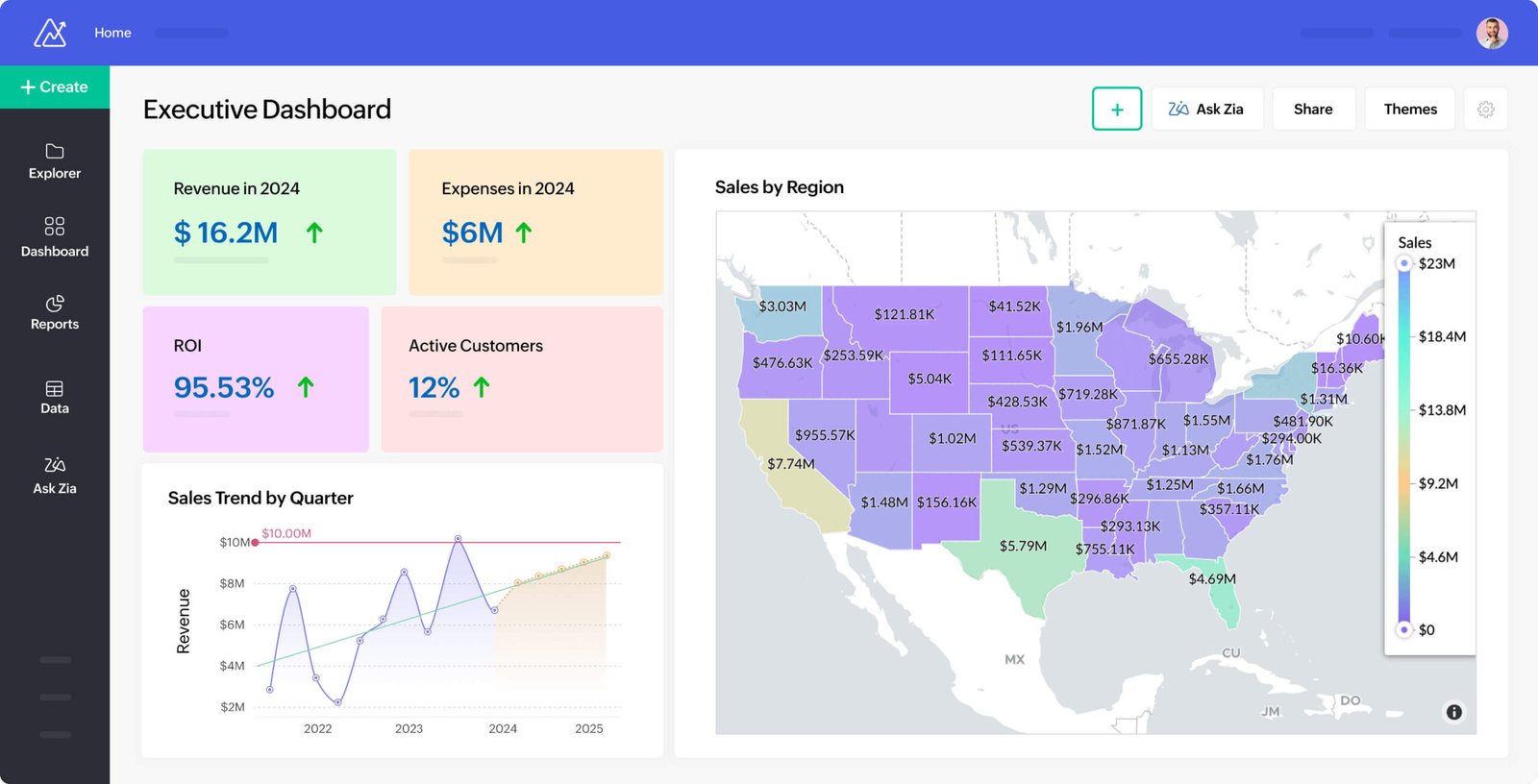
The benchmarks each tile sits against:
typical temp gross margin. Know exactly where each client sits against it
temp-to-hire margin range. Direct hire runs 20 to 30% of first-year salary
the staffing DSO benchmark your collections trend line is drawn against
factoring cost per invoice. The AR aging bars show exactly what the gap is costing
client concentration, the share of revenue the concentration tile watches weekly
with bill/pay spread and revenue per employee behind it, drill-down on click
upper end of the monthly back-office stack, small firm (est.)
Zoho One per employee, Books, Payroll, Expense, Analytics inside
the funding gap between paying weekly and getting paid
re-keyed fields between timesheet, invoice and ledger
Three moves, then it runs.
Books becomes the ledger of record
Chart of accounts, client payment portal, gateways, AR aging, and the accountant-buy-in conversation, which we handle with you. Your bureau and bank connections come across in the same pass.
Workerly wires timesheet to invoice
Client approval portal, markup rules from the placement record, per-PO and per-cost-center consolidation. The billing run becomes an event, not a day.
Analytics turns the lights on
Margin waterfall, DSO trend, AR aging, cash runway, the commission engine and the watchdog alerts, live from day one, because the data was born joined.
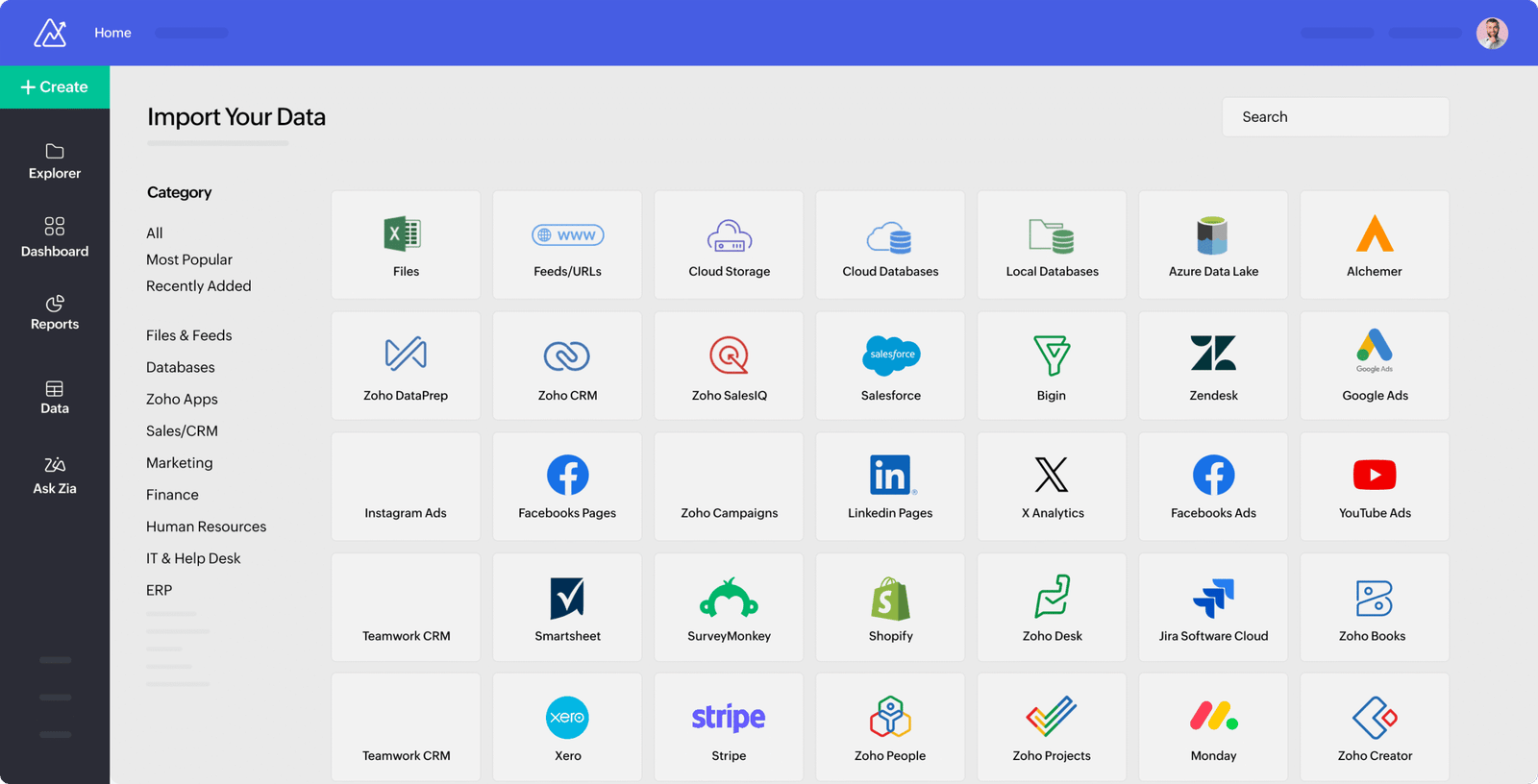
What owners ask us about the back office.
My accountant lives in QuickBooks. Is moving to Books a fight?
Sometimes, which is why the accountant conversation is part of our implementation, not your homework. Books covers the staffing workflows QuickBooks never will, like invoicing straight from approved timesheets, and accountants get their own portal access. Where a firm insists on QuickBooks, Books and QBO can coexist while you transition.
Does Zoho replace my payroll bureau for temps?
No, and we say so in the proposal. High-volume weekly W-2 temp payroll with multi-state SUTA, comp coding and pay cards is bureau territory. ADP or Paychex plugs straight in, and Zoho becomes the clean hours-and-invoicing layer that feeds it.
What about our factoring line?
Your funding partner stays. Zoho has no funding product. What it gives your factor is cleaner books, a live AR picture and faster invoice verification, which is exactly what keeps a funding relationship cheap and calm.
Is everything here inside the $37 Zoho One licence?
Books, Payroll, Expense, Analytics and Cliq are inside Zoho One at $37 to $45/employee/mo, annual USD list. Zoho Workerly (per-temp) and Zoho Recruit Staffing edition (per-recruiter) are their own line items on top. We show all three separately in every quote.
Can Books handle our VMS-mandated consolidated invoicing?
Standard per-PO and per-cost-center consolidation is native. Genuinely exotic VMS formats get a Zoho Creator customization, scoped and priced before we start, not discovered after.
Pay/bill looks different by industry.
We’ll trace one placement
from timesheet to cash.
A Staffing Systems Review is a business conversation with people who have run recruiting businesses, 30+ years in recruitment and 14+ recruiting firms behind them. We count the re-keying in your current pay/bill run, then show the same placement flowing through Books with none. You leave with a gap map of your systems either way.
Book a Staffing Systems Review